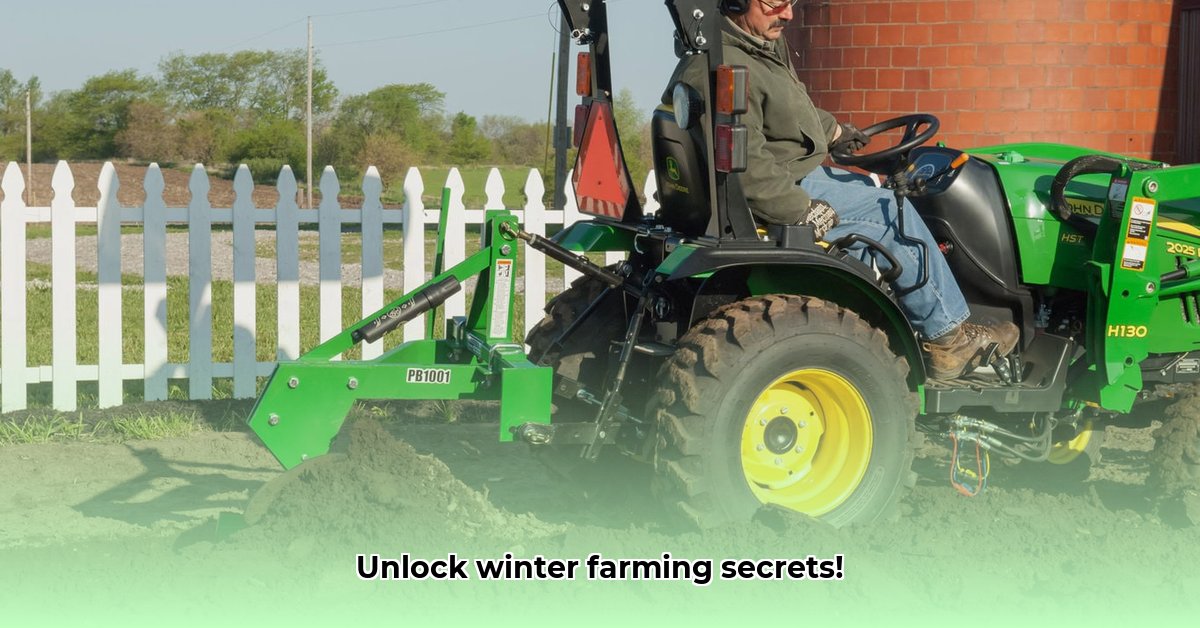
Plow Tractor Attachment: Your Guide to Efficient Winter Farming
Winter can significantly impact farm operations. Snow accumulation can disrupt schedules and damage crops. A quick-attach snow plow, however, can be a game-changer, enabling you to maintain productivity even during heavy snowfall. This guide will help you select, install, operate, and maintain a snow plow for optimal performance and sustainability. We'll cover aspects crucial to farmers, dealers, and researchers alike. For more plow information, see this helpful resource.
Choosing the Right Snow Plow: A Step-by-Step Guide
Selecting the right snow plow involves careful consideration of several factors. The wrong choice can lead to inefficiency, safety hazards, and unnecessary expense. Let's break down the process.
Compatibility with Your Tractor: Essential Checks
Before you even look at plow models, understand your tractor's capabilities. Consult your owner's manual to determine its hydraulic flow rate (the amount of hydraulic fluid it can move per minute) and lift capacity (the maximum weight it can safely lift). Exceeding these limits is dangerous and can damage your tractor. Also, verify the type of quick-attach system your tractor uses; different systems aren't interchangeable.
Plow Types: Straight Blade vs. V-Plow
Two main plow types exist: straight blades and V-plows. Straight blades are simple, effective for light snow, and generally more affordable. Think of them as giant snow shovels. V-plows, on the other hand, are more efficient for heavy snowfalls. Their V-shape directs snow to the sides more effectively, requiring fewer passes. They are more expensive initially.
Which is right for you? Consider your typical snowfall. Light snow? A straight blade might suffice. Heavy, frequent snow? A V-plow will offer greater efficiency and time savings, potentially offsetting the higher initial cost.
Key Features: Enhancing Performance and Longevity
Beyond the basic types, consider these essential features:
- Angling Capability: The ability to angle the plow blade allows for precise snow direction, significantly improving efficiency and reducing the number of passes needed. This translates directly to fuel savings and reduced wear and tear.
- Spring Trip Mechanism: This safety feature is crucial. If the plow hits an unexpected obstacle, the spring mechanism will lift the plow, preventing damage to both the plow and your tractor. It's a must-have for safety and cost-effectiveness.
- Cutting Edge Material: The material of the cutting edge directly impacts durability and lifespan. Hardened steel is highly durable but more expensive than other materials. Consider the long-term cost savings of a longer-lasting plow.
Don't forget to research advancements in blade materials; newer, more sustainable options may soon be available.
Budget Considerations: Balancing Cost and Value
The initial cost isn't the only factor. Consider maintenance costs, repair frequency, and the plow's expected lifespan. A higher upfront cost for a durable plow might ultimately prove more economical over its lifetime. Create a total cost of ownership (TCO) estimate by factoring in all these aspects. Compare models and brands to find the best value for your investment.
Installing and Operating Your Snow Plow: A Step-by-Step Guide
Proper installation and operation are critical for safety and efficiency. Always consult your plow's manufacturer's manual, as procedures vary between models.
Step-by-step installation (general):
- Secure Attachment: Carefully connect the plow to your tractor's quick-attach system, ensuring all connections are secure and stable.
- Hydraulic Connection: Connect the hydraulic lines firmly, ensuring proper alignment.
- Functional Check: Raise and lower the plow to check hydraulic function. Any malfunctions should be addressed before operating the plow.
- Initial Operation: Begin plowing slowly, gradually increasing speed as you gain confidence and assess conditions. Remember, starting slow is key to safety.
Safety First: Always engage the tractor's safety mechanisms. Never operate the plow without proper training and understanding of your tractor and plow's controls.
Maintenance and Repair: Extending Plow Lifespan and Sustainability
Regular maintenance significantly extends your plow's lifespan and enhances fuel efficiency making the operation more sustainable. Neglecting maintenance leads to premature wear and tear, increasing repair costs and potentially harming the environment through increased fuel consumption.
- Regular Inspections: Inspect your plow after each use, checking for damage, wear, and loose components. Pay close attention to the cutting edge and hydraulic connections.
- Lubrication: Lubricate moving parts according to the manufacturer's recommendations. This reduces friction and extends the life of components.
- Prompt Repairs: Address any issues promptly. Small problems can become large, costly repairs if left unattended.
Sustainability Considerations: Minimizing Environmental Impact
Sustainable snow removal practices minimize environmental impact and benefit your bottom line.
- Fuel Efficiency: Operate your tractor and plow efficiently. Avoid unnecessary passes, use appropriate speed for snow conditions, and maintain your equipment to optimize fuel consumption. A well-maintained plow uses less fuel.
- Blade Material: Consider the plow's recyclability at the end of its lifespan. Choosing a plow with recyclable components reduces waste.
- Responsible Disposal: Dispose of worn-out parts responsibly according to local regulations.
Conclusion: A Productive and Sustainable Winter
Choosing the right quick-attach snow plow is an investment in your farm's productivity and sustainability. By following this guide, you can ensure efficient snow removal while minimizing environmental impact, leading to a more productive and profitable winter season. Remember, thorough research and attention to detail will pay off in the long run.
Resources
- [Link to relevant manufacturer websites]
- [Link to agricultural extension publications]
- [Link to further research on sustainable snow removal]